
The Warrior Path is not a moment. It is a way.
It is not built in sudden intensity, empty declarations, or brief motivation. It is built through repetition, restraint, correction, and endurance. While the Warrior Code defines the principles a person lives by, the Warrior Path is how those principles are practiced in daily life.
This path demands more than admiration for strength. It demands structure. It demands patience. It demands the willingness to return to the work, especially when progress is slow and no one is watching.
In the modern world, many people want results without formation. They want confidence without discipline. They want purpose without sacrifice. The Warrior Path rejects that. It is a life of training, inner order, and steady movement through difficulty.
If you are looking for the meaning of the warrior path, this is where it begins.
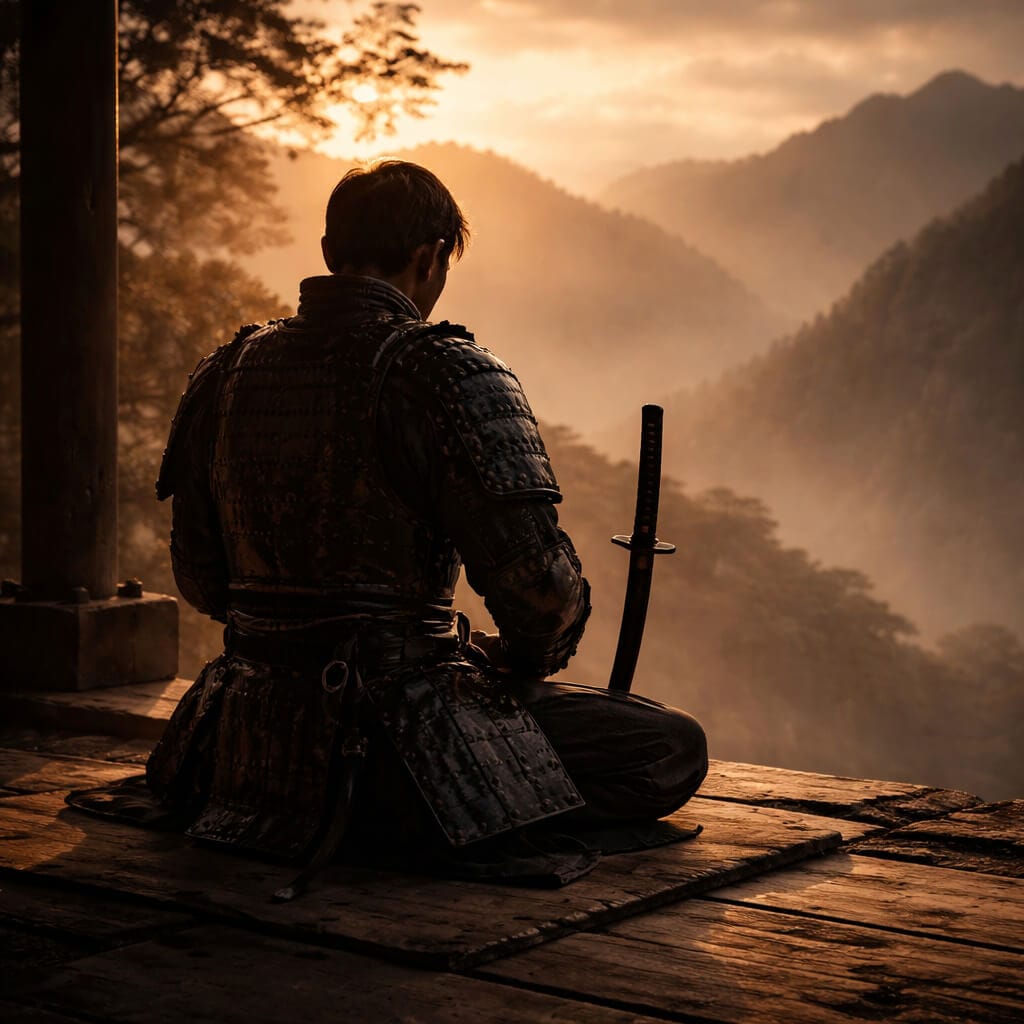
What the Warrior Path Is
The Warrior Path is the lived side of strength. It is the daily practice of becoming harder to shake, harder to distract, and harder to weaken from within.
A path is different from a mood. A path remains when emotion changes. It remains when energy drops. It remains when life becomes repetitive or difficult.
This is why the Warrior Path matters. It takes ideas that sound noble and forces them into lived form. Discipline becomes routine. Patience becomes behavior. Endurance becomes identity.
The path is not dramatic most of the time. It is often quiet. It is built in early choices, repeated efforts, withheld reactions, and standards held through ordinary days.
That is also why so few people stay on it. The Warrior Path does not always offer immediate reward. It offers formation. It shapes the one walking it.
If the warrior path is the lived practice, the warrior code is the set of principles that gives that practice direction.
The Path Is Built Through Daily Practice
No one walks the Warrior Path by accident.
It is built through what you repeat. Daily practice shapes identity far more than occasional intensity. A person becomes what they rehearse.
This is true in thought, in speech, in physical discipline, and in emotional control. You do not rise to your ideals under pressure if you have never practiced them under ordinary conditions.
Daily practice may look simple from the outside. Waking on time. Controlling the tongue. Finishing what must be done. Returning to the work. Holding the line when comfort calls for compromise.
These things seem small. They are not small. They are the bricks of self mastery.
The path is strengthened by repetition, not drama. The one who keeps returning builds something the impulsive person never reaches.
This is why discipline remains one of the deepest foundations of the warrior path, because repetition turns standard into structure.
Self Mastery Before Outer Victory
One of the deepest principles of the Warrior Path is this: rule yourself before trying to rule outcomes.
A person who cannot govern appetite, anger, fear, speech, or distraction remains vulnerable no matter how capable they appear. Outer success means little if inner disorder still controls the mind.
Self mastery does not mean suppression of humanity. It means command. It means your emotions are felt, but not obeyed blindly. It means desire is examined, not worshipped. It means reaction is measured before it is released.
This is one reason the path is demanding. It asks for honesty. It asks you to look at the places where weakness still runs your choices. It asks you to stop blaming circumstances for patterns that now belong to your own discipline.
Outer victory can impress others. Self mastery transforms the self.
Discipline as Daily Practice
Discipline is what makes the Warrior Code livable.
Many people admire principles in theory. Few build routines strong enough to carry them in practice. Discipline is the bridge between belief and behavior.
The disciplined person does not wait to feel ready. They act because the standard is already set. They train when motivation is absent. They remain measured when frustration rises. They hold form when chaos would be easier.
This is why discipline sits near the center of the code. It does not only create productivity. It creates reliability. It teaches a person to govern themselves before trying to influence anything outside themselves.
Discipline also creates freedom. Without discipline, impulse controls the day. With discipline, energy is directed. Attention is protected. Effort compounds.
A warrior without discipline is ruled from within by weakness. A warrior with discipline becomes difficult to shake.
This does not mean perfection. It means return. It means correction. It means the ability to come back to the standard again and again.
Internal link placeholder:
Link here to future Discipline pillar with anchor such as self-discipline
Discipline, Endurance and Focus
The Warrior Path is impossible without discipline. But discipline alone is not enough. A person also needs endurance and focus.
Discipline begins the work. Endurance sustains it. Focus keeps effort from scattering.
A disciplined person starts. An enduring person continues. A focused person continues in the right direction.
This is where many lose the path. They exhaust themselves through inconsistency. They chase too many directions. They confuse motion with progress. They break momentum through distraction and call it circumstance.
The Warrior Path teaches steadiness. Stay with what matters. Keep your strength pointed. Refuse to let every impulse pull you into a different battle.
In time, this creates depth. Not shallow activity. Not restless effort. Depth.
Where endurance holds the line, resilience allows a person to recover, adapt and continue without losing direction.
Solitude, Patience and Restraint
Not every part of the path is visible.
Some of the most important growth happens in solitude. Away from applause. Away from recognition. Away from noise.
This is where patience is tested. It is easy to stay committed when results are obvious. It is harder when progress is slow and hidden. Yet this is often where the Warrior Path deepens most.
Restraint matters here as well. The undisciplined person must always react. They must answer every slight, chase every opening, prove themselves constantly, and relieve every discomfort immediately.
The one on the path learns another way. Not every thought must be spoken. Not every challenge must be accepted. Not every frustration deserves movement.
Restraint protects energy. Patience protects process. Solitude reveals what is real.
Walking the Warrior Path in Modern Life
The Warrior Path is still fully possible now, but it must be chosen against the grain.
Modern life pulls attention apart. It rewards reaction. It encourages excess. It turns distraction into habit and impatience into culture.
To walk the Warrior Path today, a person needs deliberate structure.
That may include:
keeping a fixed routine
training the body consistently
limiting distraction
controlling speech
choosing discipline over mood
reviewing conduct honestly
building attention instead of fragmenting it
staying loyal to long work over short stimulation
This does not require perfection. It requires return.
The path is not broken because you stumble. It is broken when you stop correcting. The one who returns remains on the path.
In seasons where the path is shaped by loss, fatigue or rebuilding, the deeper language of from the ruins becomes relevant.
Why the Warrior Path Still Matters
The Warrior Path matters because most weakness now is internal before it is external.
People are not only defeated by force. They are defeated by drift. By distraction. By lack of structure. By ungoverned appetite. By the inability to endure boredom, discomfort, silence, or delay.
The path answers this directly.
It builds a person who can remain steady.
Who can work without applause.
Who can withstand delay.
Who can govern reaction.
Who can keep moving when ease would be easier.
This is not only useful. It is rare.
That rarity is part of its value. The Warrior Path produces a kind of person the modern world both needs and resists.
Frequently Asked Questions
What is the Warrior Path
The Warrior Path is the daily practice of self mastery, discipline, endurance, focus and restraint. It is the lived side of strength.
How is the Warrior Path different from the Warrior Code
The Warrior Code defines principles such as honor, discipline, courage and loyalty. The Warrior Path is the daily practice of living those principles through routine, restraint and endurance.
What does self mastery mean
Self mastery means governing your thoughts, speech, habits, reactions and desires instead of being ruled by them.
How do you walk the Warrior Path today
You walk it through structure, discipline, patience and correction. You build routine, limit distraction, govern reaction and keep returning to what matters.
CONCLUSION
The Warrior Path is not built in one decision. It is built in a thousand repetitions.
It is formed in structure.
Strengthened in solitude.
Tested through delay.
Proven through correction.
This is what makes the path real. Not admiration for discipline, but discipline lived. Not talk of endurance, but endurance practiced. Not the image of mastery, but the long work of becoming steady from within.
That is why the Warrior Path still matters. It gives form to effort. It gives order to strength. It teaches a person to remain aligned when the world is trying to scatter them.
Continue with:
Discipline
Resilience
Warrior Code
From the Ruins